How to Choose the Right Bulk Tea Supplier: A Step-by-Step Guide for Tea Business Owners
This step-by-step guide explains how to define your needs, assess bulk tea suppliers, test samples and compare terms with confidence.
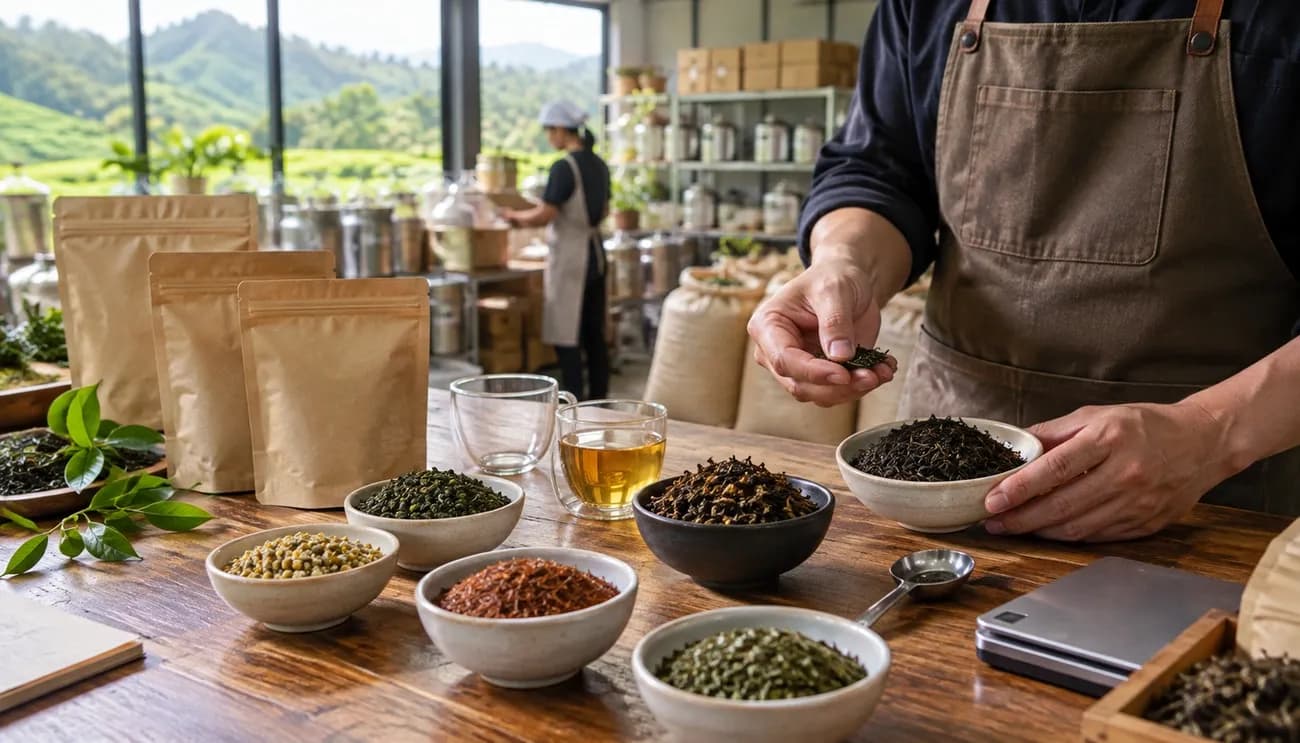
Your bulk tea supplier can affect your product quality, customer loyalty and profits. A poor choice can lead to inconsistent flavour, late deliveries and stale stock that quickly harm your business.
Businesses that need a wholesale tea supplier in India, suppliers that serve cafés and retailers, or a bulk wholesale partner for private-label products must review each option carefully. Compare sourcing transparency, tea varieties, quality documentation, packaging choices and supply reliability before you commit.
This step-by-step guide explains how to define your needs, assess bulk tea suppliers, test samples and compare terms with confidence.
Key Takeaways
- Define tea types, grades, volumes, price points and packaging before seeking quotes, so suppliers can meet your exact customer and business needs.
- Vet suppliers through traceable sourcing records, trade references, responsive support and product-specific safety and sustainability documentation.
- Compare labelled samples using identical brewing conditions, then verify batch-linked lab reports to protect flavour consistency, freshness and food safety.
- Calculate landed cost, not just price per kilo; include packaging, freight, insurance, duties, taxes and handling before comparing offers.
- Put quality standards, approved sample codes, minimums, lead times and responsibilities in writing, then validate reliability through a trial order.
Step 1: Define Your Bulk Tea Buying Needs
Match tea types and grades to your customers
Start with the tea experience your customers expect and how they will prepare it. A café that serves milk tea may just need robust black tea or CTC grades, while a specialist retail range may suit whole-leaf black, green, white, or oolong teas. Herbal tisanes offer caffeine-free options, and flavoured blends can expand your range with fruit, spice, or botanical ingredients.
Grade describes leaf size and composition, not a promise of cup quality. Orange Pekoe refers to long, whole black-tea leaves, while Broken Orange Pekoe uses smaller pieces that brew faster and produce a stronger liquor. Fannings and dust are smaller particles that tea bags commonly use. Match the grade to your brewing method, serving speed, and planned price point.
Choose matcha based on its intended use if it is part of your range. Matcha sold to drink with water needs a smooth, sweet profile, while a bolder product can work well in lattes, baking, and blended drinks. Terms such as “ceremonial” and “culinary” are trade conventions, not regulated grades, so assess the product rather than relying on the label alone.
Write a short buying brief before contacting business tea suppliers. Include each tea type, origin preference, grade, intended use, and target retail or menu price. This gives each bulk tea supplier the same clear basis for a quotation.
Set order volumes, budget and packaging needs
Calculate expected monthly demand before accepting a minimum order quantity. Multiply your average daily usage by the number of selling days. A business that uses 4 kg each day over 26 days needs 104 kg each month. Order enough to cover regular sales without keeping stock in storage longer than your turnover allows.
A wholesale tea supplier in India may set different minimums by product and format. Separate the tea minimum from the packaging and printing minimum when planning a private-label line.
Build your budget around the full buying cost: tea price, packing, labels, delivery, and import-related charges. A low per-kilo quotation may lead to a higher outlay if custom packaging needs a large first run.
Choose packaging that suits your route to market. Bulk bags suit foodservice use or your own repacking, while pouches, tins, boxes, and tea bags support direct retail sales. Printed pouches, laminated bags, and retail-ready packets are available formats. State the pack size, material, branding requirements, and whether you need loose-leaf tea or portioned tea bags when contacting bulk tea suppliers.
Step 2: Find and Check Bulk Tea Suppliers
Compare estates, wholesalers and private-label suppliers
Choose the supplier model that gives you the level of control your offer needs. An estate or manufacturer can show where the leaves were grown and processed, which works well for a stable range built around origin. A wholesaler can source teas from several suppliers and may suit smaller trial purchases or a broader early selection. Private-label suppliers suit businesses that need blending and packing, with labels ready for sale.
A large, long-standing producer may own several estates and export widely, but scale alone does not confirm a good fit. Compare the specific teas, processing control, flexibility and available services with your buying brief.
Check sourcing records, trade references and customer support
Request records that connect the offered tea to its origin, grade, batch identity, processing and packing arrangements. Estate claims or named origins require supporting invoices and shipment records before you place the claim on your own pack. Ask for two or three recent trade references. Contact them directly to discuss repeat-order consistency, communication, payment practises and how the supplier handled delivery or quality questions.
Customer support should give clear answers about availability, despatch and documentation instead of generic assurances. A supplier that accepts samples, product questions and small first orders also gives you a practical way to assess the relationship.
Verify food safety documents and any sourcing or ethical claims
Match documents to the product and market instead of treating certificates as a general quality score. Indian suppliers should provide a current food-safety licence and, where relevant, Tea Board registration or exporter authorisation. Ask for recent pesticide-residue and metal-contaminant reports from an accredited laboratory, especially for flavoured teas.
Check that any farming-standard or sustainability documents cover the named tea and its handling chain. Confirm what each ethical mark assesses, whether that is fair wages and worker conditions or environmental farming practises.
Step 3: Request Samples and Assess Tea Quality
Compare flavour, aroma and freshness with the same brewing method
Screen tea suppliers for your business, then ask each shortlisted bulk tea supplier to provide labelled samples from the proposed lot. Record the sample code, grade, source, packing date and intended application. This creates a reference for future bulk tea buying decisions.
Use one brewing sheet for each comparison, with similar leaf weight, water volume, water source, temperature, vessel, steeping time and straining method. Brewing variables affect flavour compounds and aroma, so a controlled method reveals differences between teas instead of differences in preparation. Smell the dry leaves first, then assess the liquor's colour and clarity, brewed aroma, strength, body, bitterness, astringency, balance and aftertaste. Taste promising teas in the finished format, such as with milk, chilled or at the planned bag weight. Store the approved sample in sealed storage and document the accepted quality range.
Check batch records and relevant lab reports to confirm safety and consistency
Ask suppliers to provide batch records that link the sample to the offered lot and show how they handled and packed it. Review laboratory reports for pesticide residues, heavy metals and microbiological results, along with moisture and particle size when available. Confirm that the report and batch references match before approving the tea for use in your chosen product.
Step 4: Compare Terms and Test Your Chosen Supplier
Calculate total costs, including packaging, freight and import charges
Compare quotations based on landed cost, not tea price alone. Add the product cost and related packaging, freight, insurance, taxes, duties, and handling charges. Divide the total by the saleable kilogrammes to determine each bulk tea supplier's per-kilo cost.
Agree minimum orders, payment terms and quality standards
Set minimum quantities for repeat orders, price tiers, payment schedules, and responsibility for freight and import charges. Include the approved sample code and grade, along with the pack format and acceptance standard, in the purchase order. This gives business tea suppliers and buyers one clear reference to assess each delivery.
Confirm lead times, storage methods and peak-season supply
Request despatch and arrival dates in writing, along with stock levels, peak-season allocations, and backup sourcing plans. Export orders can take several weeks from confirmation to vessel departure. Request warehouse details that cover hygiene, moisture protection, and pallet storage. Dry, protected facilities help preserve the tea's condition during transport.
Place a trial order and review quality, delivery and problem handling
Place a trial order with your wholesale tea supplier India. Check that the received lot matches the approved sample and that delivery meets the agreed date. Assess how quickly the bulk tea wholesale supplier resolves any issues. Record the results before arranging bulk tea buying.
Conclusion
A clear buying brief should guide your choice of bulk tea supplier, and a carefully reviewed trial order should confirm it. Assess tea quality, sourcing records, quality documents, packaging, landed costs, and delivery reliability before you commit.
Consistent testing and clear written standards protect your margins and customer experience. Build the relationship gradually and review each batch closely. Your tea range can then grow with confidence over time.
FAQs
What should I look for when choosing a bulk tea supplier?
Look for consistent tea quality, traceable sourcing, relevant food-safety documents and reliable delivery. Check that minimum orders, packaging options and customer support suit your business.
Should I buy tea from an estate, a wholesaler or a private-label supplier?
An estate suits an origin-focused range, while a wholesaler can offer teas from several sources and smaller trial purchases. Choose a private-label supplier if you need blending, packing and branded labels.
How can I assess tea samples before placing a bulk order?
Compare samples using the same leaf weight, water, temperature and brewing time. Assess flavour, aroma, freshness and balance, then test shortlisted teas as customers will drink them, such as with milk or chilled.
How do I compare bulk tea prices fairly?
Calculate the total landed cost, including tea, packaging, freight, insurance, taxes, duties and handling. Divide this by the saleable kilogrammes rather than comparing the quoted tea price alone.
Why should I place a trial order before committing to a tea supplier?
A trial order lets you check whether the delivered tea matches the approved sample and arrives on time. It also shows how effectively the supplier handles questions or problems before you commit to larger purchases.


